

Buying or selling an equestrian property involves more than evaluating the house.
The home matters, but so does how the property actually functions for horses.
For a buyer, that may mean looking at the barn, fencing, turnout, pasture, arena or riding space, trailer access and parking, hay and equipment storage, water access and how the property is laid out for everyday horse care.
For a seller, those same features may be an important part of what distinguishes the property from other homes on the market and why the right buyer is interested in it.
I’ve represented buyers and sellers of residential equestrian properties throughout Northwest Washington, including homes with acreage, barns, arenas and other horse amenities.
I’m also a horse owner myself.
That doesn’t mean I assume every horse owner wants what I want. It means I understand that when you’re buying a home for yourself and your horses, we’re evaluating more than bedrooms, bathrooms and square footage.
What Makes a Property Work for Your Horses?
A property doesn’t automatically work for horses simply because it has acreage or is advertised as a horse property.
How you intend to use it matters.
A buyer looking for a home for two horses they enjoy recreationally may have very different priorities than someone who needs an arena, multiple stalls, substantial turnout or room for additional horses.
Before we start deciding whether a property works, I want to understand what you actually need.
That may include:
How many horses you have
How you ride and use the property
Barn and stall needs
Pasture and turnout
Fencing
Arena or riding space
Hay, feed and equipment storage
Trailer access and parking
Water availability for horses
Access between the house, barn, pasture and other horse areas
Additional structures or improvements important to you
Not every buyer needs everything on that list.
The point is to evaluate the property based on your horses, your routine and how you want to use it, rather than relying on a listing description that calls it “equestrian.”
Acreage Isn’t the Only Thing That Matters
When buyers start looking for an equestrian home, it’s easy to focus on the number of acres.
But acreage alone doesn’t tell us whether a property will work well for horses.
The amount and layout of usable land can matter just as much as the total acreage. Topography, drainage, fencing, access and the location of barns, pastures and other improvements can all affect how functional the property is.
A five-acre property that’s thoughtfully set up may work better for a particular horse owner than a substantially larger property that doesn’t fit the way they need to use it.
That’s why we’re not simply searching for “a house with five acres.”
We’re looking for a home and property that work together for the way you live with your horses.
Looking Beyond the Barn and Arena
A beautiful barn or arena can understandably get a horse owner’s attention.
But just as we wouldn’t buy a residential home based solely on a beautiful kitchen, we shouldn’t evaluate an equestrian property based solely on its horse amenities.
Depending on the individual property, there may be questions about permitted structures, property boundaries, easements, drainage, fencing, access or the intended use of existing improvements.
There may also be private systems or other property-specific considerations that deserve additional investigation.
My role isn’t to replace an inspector, county agency, attorney, engineer or other appropriate professional.
My role is to help identify the questions that matter to the property you’re considering, gather available information and recognize when something should be verified by the appropriate professional.
I Understand the Horse Side Because I Live It
Horses aren’t something I learned about so I could market equestrian real estate.
They’re part of my life.
I keep horses at home and understand the everyday realities that come with it: feeding, turnout, fencing, hauling, storing hay and equipment, managing the property and simply getting from the house to the barn when it’s dark, cold and raining.
That personal experience can help me notice practical things about a property that may not stand out in a standard residential showing.
But your setup doesn’t need to look like mine.
I’ll want to understand how you keep and ride your horses, what you need from the property and which features matter most to you.
That’s the standard we’ll use when evaluating homes.
Selling an Equestrian Home or Property
When selling an equestrian property, the house is only part of what we’re marketing.
The barn, stalls, fencing, pastures, paddocks, arena, trailer parking, storage and overall layout may be significant parts of the property’s value and appeal to the right buyer.
Before we go to market, I want to understand those features.
We’ll walk the property and talk about what you have, how you’ve used it and what improvements or amenities should be documented and highlighted.
We’ll also look at the condition and presentation of both the home and the equestrian areas so we can determine what, if anything, is worth addressing before listing.
The goal isn’t to make every barn look new or every pasture perfect.
It’s to present the property well and make it easier for prospective buyers to understand what they’re looking at and how the property could work for them.
Determining What an Equestrian Property Is Worth
Equestrian properties aren’t always easy to compare.
Two homes may have similar square footage and acreage while offering very different property improvements and functionality.
One may have a barn, arena, established fencing and usable turnout. Another may have similar acreage without those improvements. The condition, quality and usefulness of the equestrian amenities can also vary considerably.
When I’m developing a pricing strategy, I look beyond the house itself.
I consider relevant comparable sales, current competition, market conditions, the home, usable property and the equestrian improvements that may influence how buyers compare the property with other available options.
An automated home valuation may provide information, but it may not adequately account for the individual characteristics of an equestrian property.
That’s why I recommend a property-specific market analysis when you’re considering selling.
Marketing More Than the House
A buyer looking for an equestrian home needs to be able to see more than the kitchen and primary bedroom.
The property matters.
Depending on the home, professional photography, video and drone photography or video can help show the relationship between the house, barn, arena, pastures, fencing and surrounding property.
The listing description should also help prospective buyers understand the equestrian amenities and other property characteristics we can accurately document.
The marketing strategy will depend on the individual property.
The objective is to help the right buyers understand the home and the horse property together.
Frequently Asked Questions About Equestrian Properties
What should I look for when buying a horse property?
Start with how you plan to use the property.
The number of horses you have, how you ride, the amount of turnout you need, fencing, barn requirements, trailer access, storage and whether you need an arena can all affect whether a property works for you.
We’ll evaluate the house and horse amenities together and identify property-specific questions that deserve additional investigation.
How much acreage do I need for horses?
There isn’t one acreage number that works for every horse owner or every property.
How much land you need can depend on the number of horses, intended use, usable versus total acreage, turnout plans, property layout and other factors.
Local regulations may also affect how a particular property can be used.
Rather than assuming a certain acreage automatically works, we’ll evaluate the individual property and verify questions about permitted use with the appropriate jurisdiction when needed.
Do you have experience with horses and equestrian properties?
Yes.
I’ve represented buyers and sellers of residential properties with acreage, barns, arenas and other equestrian amenities throughout Northwest Washington.
I’m also a horse owner and keep horses at home, so I understand many of the practical considerations involved in living with horses on your property.
I don’t assume my setup is the right setup for everyone. Your horses, riding and intended use determine what we should be looking for.
Is selling an equestrian property different from selling a typical home?
It can be.
The residence is still important, but prospective buyers may also be evaluating the barn, fencing, pasture, turnout, arena, trailer access, storage and overall functionality of the property.
Those features should be considered when developing the pricing, preparation and marketing strategy rather than treating the property like a standard residential home with extra land.
Thinking About Buying or Selling an Equestrian Property?
If you’re buying, we’ll start with you, your horses and how you want to use the property.
If you’re selling, we’ll start with the home, the equestrian setup, what makes the property different and what you’re trying to accomplish with the sale.
You don’t need to know every question to ask before contacting me.
We’ll start with what matters to you and your horses and work from there.
Talk With Tricia About an Equestrian Property
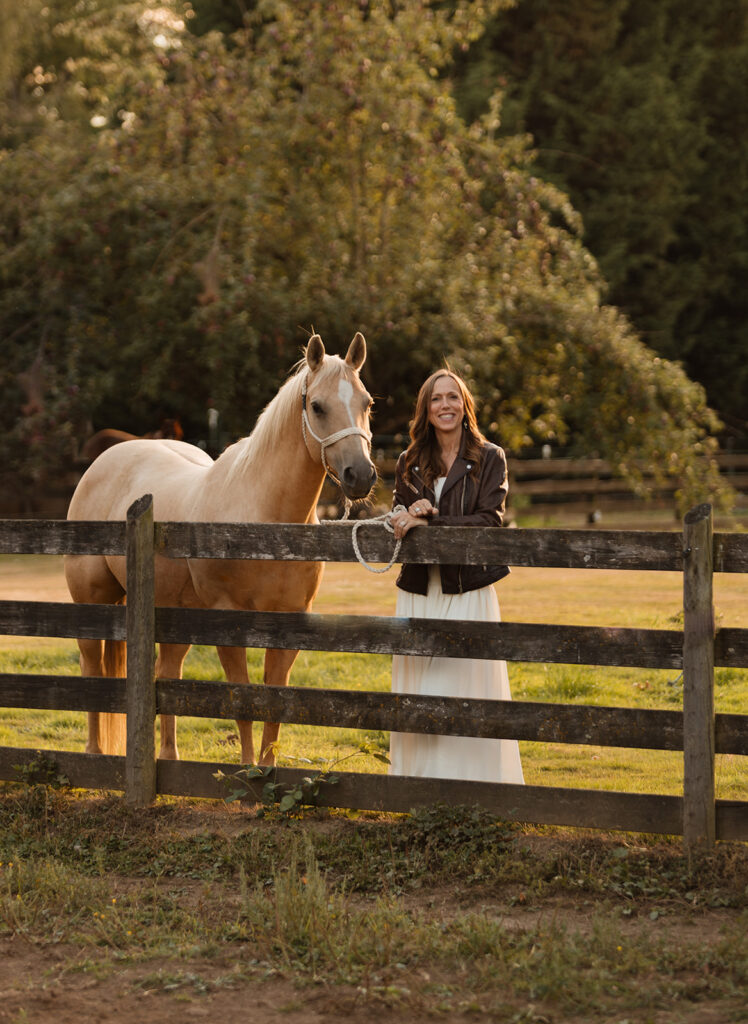
About Tricia Jacobs
Tricia Jacobs is a Managing Broker and REALTOR® with RE/MAX Gateway, serving buyers and sellers throughout Snohomish, Skagit, Island and Whatcom Counties.
Originally licensed in 1992, Tricia has decades of experience in real estate and has called Stanwood home since 2001. She is a Seller Representative Specialist (SRS®), an Accredited Buyer’s Representative (ABR®) and a RE/MAX Hall of Fame Managing Broker.
Her experience includes residential homes, acreage and country properties, equestrian properties, waterfront and water-view homes, ADUs and multigenerational properties, investment properties and land.
Tricia believes good real estate advice starts with understanding the person sitting across the table from her. For sellers, that means learning why they are considering a move, what they hope to accomplish and what their timeline looks like before providing information about their property and the current market.
She doesn’t believe it’s always a great time to sell, because it isn’t. Her role is to provide accurate information, answer questions and explain the options available so her clients have what they need to make the best decision for themselves.
When a client does decide to sell, Tricia takes a hands-on approach to preparing and marketing the property. She helps sellers determine what is worth addressing before going on the market and what isn’t worth spending money on, then builds the pricing and marketing strategy around the individual property.
For buyers, Tricia provides experienced guidance from the initial search through inspections, negotiations and closing. Her background is particularly helpful with the additional considerations that can come with acreage, wells, septic systems, equestrian properties, waterfront and other unique properties common throughout Northwest Washington.
Tricia was honored to be voted Best Real Estate Agent in Stanwood & Camano Island in both 2025 and 2026 and serves as President of the Stanwood Commerce Alliance, Stanwood’s Chamber of Commerce.
Outside of real estate, you’ll usually find Tricia spending time with her family, horses and dogs and enjoying the Northwest Washington lifestyle she helps her clients call home.
Tricia Jacobs | Managing Broker / REALTOR®RE/MAX Gateway360-223-1100triciajacobs@remax.nettriciajacobsrealtor.com
I would not call this an Acreage & Equestrian page anywhere, including the URL. My preference would be Equestrian Homes & Properties because it keeps the residential intent clear while still allowing acreage to appear naturally throughout the content.
Before we lock it, the one thing that could materially improve this page is a real client example or review involving a horse property. If you have one, I’d like to look at it. If you don’t, I would not force a testimonial onto the page. Your actual horse ownership is already very strong credibility here.
Yes. That is a much better distinction, and it tells me we need to raise the level of the entire buyer portion.
A horse owner already knows what they need for their horses. They don’t need their REALTOR® teaching them that horses need fencing, turnout and water. They need a REALTOR® who understands enough about horse ownership to investigate whether the property they’re considering has problems or limitations that could affect how they intend to use it.
So I would remove the basic “horse property 101” questions and make this page speak to an experienced horse owner.
For example, instead of “What should I look for when buying a horse property?”, these are the kinds of questions that belong on the page:
Is the property or pasture in a floodplain?
This is exactly the type of issue I would want to investigate when we’re considering an equestrian property.
A beautiful pasture isn’t particularly useful if portions of it are regularly underwater during the wettest months of the year.
We’ll look at available flood information and what we can learn about the property, and when additional information is needed, we’ll identify the appropriate source or professional to help us verify it.
Does the property have drainage or seasonal water issues?
This is different from simply being mapped in a floodplain.
Especially in Northwest Washington, I want to pay attention to how water moves through a property. Areas that look perfectly usable during a dry August showing can be very different in January.
We can look for available information, observe conditions when possible and ask questions about drainage, standing water and seasonal conditions rather than assuming all of the acreage functions the same way year-round.
Is all of the acreage actually usable for horses?
The advertised acreage doesn’t necessarily tell us how much of the property will function the way you need it to.
Wetlands, critical areas, steep topography, drainage, easements, wooded areas or other property characteristics can affect usable space.
If those things matter to how you intend to use the property, we’ll investigate the available information and determine what needs to be verified with the appropriate agency or professional.
Are the barn, arena or other equestrian improvements permitted?
This is a much more sophisticated question.
An existing barn or arena being physically present doesn’t necessarily tell us everything we want to know about it.
When appropriate, we can look for available county records and permit information and identify questions that need to be verified with the jurisdiction or another appropriate professional.
Are there restrictions that could affect how I use the property?
This is important.
A buyer might need to investigate zoning, CC&Rs, easements or other restrictions depending on what they intend to do with the property.
And this is where your philosophy matters: we don’t tell them that something is allowed simply because the current owner appears to be doing it.
We gather the information and verify the questions that matter to their intended use.
And this actually makes me want to change an earlier section too.
Instead of:
What Makes a Property Work for Your Horses?
I’d use:
Does the Property Actually Work for How You Keep Your Horses?
Then something more like:
You already know what you need for your horses.
My job isn’t to tell you how many stalls you need or whether you want an arena. I want to understand how you keep and ride your horses so we can evaluate whether the property you’re considering actually supports that.
A property can look ideal during a showing and still have questions worth investigating. Is part of the pasture in a floodplain? Does the property have seasonal drainage issues? Is all of the advertised acreage usable? Are there wetlands or critical areas? Are the barn and other improvements permitted? Are there easements or restrictions that could affect how you intend to use the property?
Those are the kinds of questions I want us asking before you make decisions about a property.
That sounds like an equestrian REALTOR® talking to another horse person.
And I’d change “Acreage Isn’t the Only Thing That Matters” to something more sophisticated like:
Usable Property Matters More Than the Number on the Listing
Then:
Ten acres on paper doesn’t necessarily mean ten acres that function the way you need them to.
Topography, wetlands, critical areas, seasonal water, drainage, easements, wooded areas and the location of existing improvements can all affect how a property functions.
That’s why I want to understand the land as well as the house and equestrian improvements.
I also think we should mention trailer access differently. A horse owner doesn’t need us to tell them they need trailer parking. The useful question is: Can you actually get your truck and trailer in and out comfortably? Is there room to turn around? That’s the practical observation your experience brings.
Similarly, rather than saying “fencing” as a feature, the question becomes: What fencing is actually there, what condition is it in, and does it work for this buyer’s horses? A horse person understands immediately why that distinction matters.
So I would rewrite the buyer half of this page before we lock it. The first draft was too introductory. Your target client doesn’t need “How to own horses on acreage.” They need “I already own horses. Help me make sure I don’t buy the wrong property for them.”
That’s a considerably stronger niche for you.
lets remove teh are the barn arena or other equirestiran imporvements permitted but leave all the rest.
Yes. I agree. I would remove “Are the barn, arena or other equestrian improvements permitted?” entirely.
We don’t need to replace it with another question. The stronger buyer considerations are:
Is the property or pasture in a floodplain?
Does the property have drainage or seasonal water issues?
Is all of the acreage actually usable for how I intend to use the property?
Are there wetlands, critical areas, easements or other property characteristics that could affect use?
Are there restrictions that could affect how I intend to use the property?
Can I comfortably get my truck and horse trailer in, out and turned around?
What fencing is actually there, what condition is it in, and does it work for my horses?
I particularly like the direction we’re going because these aren’t “teach me about owning horses” questions. They’re real-estate and property questions an experienced horse owner needs investigated before deciding whether a property works for them.
And I would keep the important professional boundary: when something requires verification by the county, title, an inspector or another appropriate professional, you help identify the question and gather available information rather than making a determination outside your expertise.
I’ll carry all of these changes into the final Equestrian page and leave the permitting question out completely.
yes lets get this one put togehrter
Absolutely. Here is the assembled version with the buyer side elevated to speak to people who already own horses, not someone learning what a horse property is.
Equestrian Homes & Properties in Northwest Washington
Buying or selling an equestrian property involves more than evaluating the house.
The home matters, but so does how the property actually functions for horses.
For a buyer, that means looking beyond the number of acres or the fact that a listing has a barn or arena. How does the property function throughout the year? Is the land usable for the way you keep your horses? Are there drainage or flooding concerns? Can you comfortably get a truck and horse trailer in and out? Are there restrictions or property characteristics that could affect how you intend to use it?
For a seller, the equestrian features may be an important part of what distinguishes the property from other homes on the market and why the right buyer is interested in it.
I’ve represented buyers and sellers of residential equestrian properties throughout Northwest Washington, including homes with acreage, barns, arenas and other horse amenities.
I’m also a horse owner myself.
That doesn’t mean I assume every horse owner wants what I want. It means I understand that when you’re buying or selling a home with equestrian features, we’re evaluating more than bedrooms, bathrooms and square footage.
Does the Property Actually Work for How You Keep Your Horses?
You already know what you need for your horses.
My job isn’t to tell you how many stalls you need or whether you want an arena. I want to understand how you keep and ride your horses so we can evaluate whether the property you’re considering actually supports that.
A property can look ideal during a showing and still have questions worth investigating.
Is part of the pasture in a floodplain? Does the property have seasonal drainage issues? Is all of the advertised acreage usable? Are there wetlands or critical areas? Are there easements or restrictions that could affect how you intend to use the property?
Those are the kinds of questions I want us asking before you make decisions about a property.
Usable Property Matters More Than the Number on the Listing
The number of acres on a listing only tells us so much.
Topography, wetlands, critical areas, seasonal water, drainage, easements, wooded areas and the location of existing improvements can all affect how much of the property functions the way you need it to.
A property with fewer acres but a functional layout may work better for a particular horse owner than a larger property where much of the land isn’t usable for their intended purpose.
That’s why I want to understand the land as well as the house and equestrian improvements.
When something about the property could materially affect how you intend to use it, we’ll look at the available information and determine what needs to be verified with the appropriate agency or professional.
Flooding, Drainage and Seasonal Water
This is Northwest Washington. How a property looks during a dry summer showing may not tell us how it functions during the wettest months of the year.
For a horse owner, that can matter.
We’ll look at available flood information and whether the property is located within a mapped floodplain. We can also pay attention to drainage, standing water and other signs that may raise questions about seasonal conditions.
Being outside a mapped floodplain doesn’t necessarily tell us that a property never experiences drainage or seasonal water issues, either.
When there are questions we can’t answer from the information available, I’ll help identify what needs further investigation and the appropriate professional or agency to consult.
Restrictions and Other Property Considerations
How you intend to use the property matters.
Depending on the individual property and your plans, there may be zoning, CC&Rs, easements, wetlands, critical areas or other restrictions and property characteristics worth investigating.
I don’t assume something is allowed simply because the current owner appears to be doing it.
My role is to help identify the questions that matter to your intended use, gather available information and help you determine when something should be verified with the appropriate county agency, title professional or other qualified professional.
The Practical Things You Notice When You Own Horses
Some aspects of an equestrian property aren’t easily captured by a listing description.
Can you comfortably get your truck and horse trailer into the property? Is there room to turn around, or will you be backing out onto the road?
How are the barn, pasture, arena and house situated in relation to one another?
What fencing is actually there, what condition is it in and does it work for your horses?
How accessible are the areas you’ll use every day?
Those aren’t necessarily reasons to buy or not buy a property. They’re things worth noticing and considering based on how you live with your horses.
I Understand the Horse Side Because I Live It
Horses aren’t something I learned about so I could market equestrian real estate.
They’re part of my life.
I keep horses at home and understand the everyday realities that come with it, from feeding and turnout to fencing, hauling, storing hay and equipment and maintaining a property around horses.
That experience can help me notice practical things about a property that may not stand out during a typical residential showing.
But your setup doesn’t need to look like mine.
I’ll want to understand how you keep and ride your horses, what you need from the property and which features matter most to you.
That’s the standard we’ll use when evaluating homes.
Selling an Equestrian Home or Property
When selling an equestrian property, the house is only part of what we’re marketing.
The barn, stalls, fencing, pastures, paddocks, arena, trailer access and parking, storage and overall layout may all be important to the buyers we’re trying to reach.
Before we go to market, I want to understand those features.
We’ll walk the property and talk about what you have, how you’ve used it and what improvements or amenities should be highlighted.
We’ll also look at the condition and presentation of both the home and the equestrian areas so we can determine what, if anything, is worth addressing before listing.
The goal isn’t to make every barn look new or every pasture perfect. It’s to present the property well and make it easier for prospective buyers to understand the home, the equestrian improvements and how the property functions as a whole.
Determining What an Equestrian Property Is Worth
Equestrian properties aren’t always easy to compare.
Two homes may have similar square footage and acreage while offering very different land, improvements and functionality.
One may have an arena, established barn, fencing and usable turnout. Another may have similar acreage without those improvements. The condition, quality and usefulness of the equestrian amenities can also vary considerably.
When I’m developing a pricing strategy, I look beyond the house itself.
I consider relevant comparable sales, current competition, market conditions, the home, the property and the equestrian improvements that may influence how buyers compare it with other available options.
An automated home valuation may provide a starting point, but it may not adequately account for the individual characteristics of an equestrian property.
That’s why I recommend a property-specific comparative market analysis when you’re considering selling.
Marketing More Than the House
A buyer looking for an equestrian home needs to be able to see more than the kitchen and primary bedroom.
The property matters.
Depending on the individual home and property, professional photography, video and drone photography or video can help show the relationship between the house, barn, arena, pastures, fencing and surrounding property.
The listing description should also accurately communicate the equestrian amenities and other important property characteristics we can document.
The marketing strategy will depend on the individual property rather than using the same approach for every equestrian listing.
The objective is to help prospective buyers understand the home and the horse property together.
Frequently Asked Questions About Equestrian Properties
How can I find out if an equestrian property is in a floodplain?
We can review available flood information for a property as part of our due diligence.
For an equestrian buyer, I also think it’s important not to stop at the flood map. A property may have drainage, standing water or seasonal wet areas that affect how portions of the land function even if that particular area isn’t identified as a mapped floodplain.
If flooding or seasonal water could affect your intended use of the property, we’ll identify the questions that need additional investigation and determine the appropriate source or professional to help answer them.
How do I know how much of the acreage is actually usable?
Total acreage and usable acreage aren’t necessarily the same thing.
Topography, wetlands, critical areas, wooded areas, easements, seasonal water and other property characteristics may affect how portions of the land can be used.
If usable acreage is important to how you intend to keep or ride your horses, we’ll look beyond the acreage number in the listing and investigate the characteristics of the individual property.
What should we investigate if I plan to use the property differently than the current owner?
We shouldn’t assume that because a property is currently being used a certain way, the same use or a different use will automatically work for you.
Depending on what you’re planning, there may be zoning, CC&Rs, easements, critical areas or other restrictions and property characteristics that should be investigated.
I’ll help identify the real estate questions we need answered and, when something requires an opinion or determination outside my role as a REALTOR®, we’ll go to the appropriate professional or agency for that answer.
Do you have experience selling homes with horse amenities?
Yes. I’ve represented sellers of residential properties with acreage, barns, arenas and other equestrian amenities throughout Northwest Washington.
Because these aren’t simply standard residential homes with extra land, I look at how the home, land and equestrian improvements work together when we’re considering preparation, pricing and marketing.
I’m also a horse owner myself, which gives me a practical understanding of the features horse buyers may pay attention to when they’re evaluating a property.
Thinking About Buying or Selling an Equestrian Property?
If you’re buying, I want to understand what you and your horses need from the property so we can evaluate the homes and land with that in mind.
If you’re selling, we’ll start with your home, the equestrian setup, what makes the property different and what you’re trying to accomplish with the sale.
You don’t need a generic horse-property checklist.
You need someone who understands the questions that matter to you and knows when we need more information before you make a decision.
Talk With Tricia About an Equestrian Property
About Tricia Jacobs
Tricia Jacobs is a Managing Broker and REALTOR® with RE/MAX Gateway, serving buyers and sellers throughout Snohomish, Skagit, Island and Whatcom Counties.
Originally licensed in 1992, Tricia has decades of experience in real estate and has called Stanwood home since 2001. She is a Seller Representative Specialist (SRS®), an Accredited Buyer’s Representative (ABR®) and a RE/MAX Hall of Fame Managing Broker.
Her experience includes residential homes, acreage and country properties, equestrian properties, waterfront and water-view homes, ADUs and multigenerational properties, investment properties and land.
Tricia believes good real estate advice starts with understanding the person sitting across the table from her. For sellers, that means learning why they are considering a move, what they hope to accomplish and what their timeline looks like before providing information about their property and the current market.
She doesn’t believe it’s always a great time to sell, because it isn’t. Her role is to provide accurate information, answer questions and explain the options available so her clients have what they need to make the best decision for themselves.
When a client does decide to sell, Tricia takes a hands-on approach to preparing and marketing the property. She helps sellers determine what is worth addressing before going on the market and what isn’t worth spending money on, then builds the pricing and marketing strategy around the individual property.
For buyers, Tricia provides experienced guidance from the initial search through inspections, negotiations and closing. Her background is particularly helpful with the additional considerations that can come with acreage, wells, septic systems, equestrian properties, waterfront and other unique properties common throughout Northwest Washington.
Tricia was honored to be voted Best Real Estate Agent in Stanwood & Camano Island in both 2025 and 2026 and serves as President of the Stanwood Commerce Alliance, Stanwood’s Chamber of Commerce.
Outside of real estate, you’ll usually find Tricia spending time with her family, horses and dogs and enjoying the Northwest Washington lifestyle she helps her clients call home.
Tricia Jacobs | Managing Broker / REALTOR®RE/MAX Gateway360-223-1100triciajacobs@remax.nettriciajacobsrealtor.com