
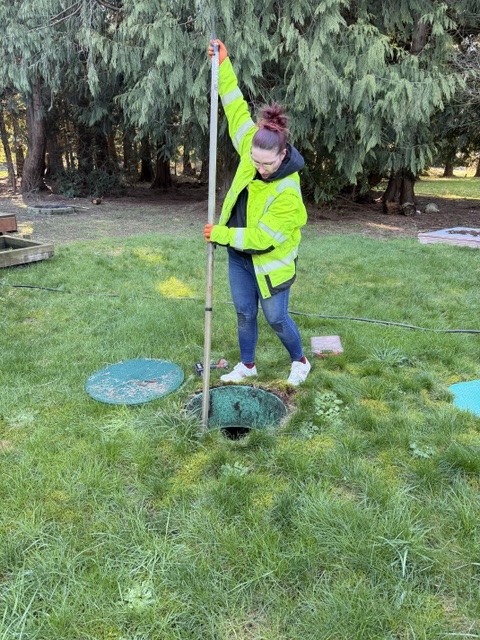
If you’re planning to sell a home with a septic system in Snohomish County, there are new requirements that took effect November 1, 2026. The changes involve more than scheduling an inspection. Sellers now have a specific property transfer process to complete through the Snohomish County Health Department, including providing certain records to the buyer.
For buyers, this is also a good opportunity to better understand the septic system that comes with the property. Knowing where the tank and drainfield are located, what the system was approved for, and whether there are any maintenance concerns can be just as important as reviewing the inspection report.
There’s also a county rebate program that homeowners may not know about, and it could help with some of the costs of septic maintenance.
What Changed on November 1, 2026?
Snohomish County updated its septic property transfer requirements to comply with Washington State regulations. The goal is to provide buyers with information about the system’s condition and identify potential health or environmental concerns.
Under the updated process, sellers of properties served by septic systems must complete several steps before closing:
- Have a full septic system inspection performed by a Snohomish County-certified contractor within the previous 12 months.
- Confirm that an as-built record is on file with the Health Department or obtain an acceptable site plan from a certified contractor if the record is missing.
- Submit a Report of Property Transfer application and pay the required fee.
- Provide the buyer with the Health Department-reviewed Report of Property Transfer, septic maintenance records, and the required seller disclosure.
If pumping is recommended in the inspection report, it must also be completed before closing.
Pumping based on a septic professional’s recommendation isn’t a new concept. What’s important about the November 1 change is the county’s updated property transfer process, including its inspection, records, application, and reporting requirements. The new rules don’t mean that every septic tank must automatically be pumped before a sale.
The county identifies an exemption for septic systems installed within the previous 12 months.
Official requirements: https://www.snohd.org/1872/Property-Transfer
What Should Sellers Do Before Listing a Home With Septic?
I recommend starting with the septic records rather than waiting until you’re preparing to close. You can search for the original as-built, previous inspections, and maintenance information through the county’s septic records webpage.
Once you know what records are available, check when the system was last inspected and whether that inspection meets the county’s current property transfer requirements. If another inspection is needed, use a contractor certified by Snohomish County.
If the county doesn’t have an as-built on file, the new process allows an appropriately certified septic contractor to prepare a site plan. You don’t automatically need to hire a septic designer to recreate the original plans.
The seller is responsible for submitting the Report of Property Transfer application and fee. The Health Department then reviews the application and septic information before issuing the reviewed report that must be provided to the buyer.
Giving yourself enough time for these steps can help avoid unnecessary complications once a buyer is involved.
Septic records: https://www.snohd.org/159/As-Built-Records
What Happens if the Inspection Finds a Problem?
Finding a deficiency doesn’t automatically mean the property can’t be sold.
Snohomish County states that the Health Department does not have the authority or intention to prohibit a property sale through this process. However, that doesn’t mean inspection findings can be ignored.
If the inspection identifies deficiencies, the county’s reviewed report will note them. More serious conditions, such as sewage surfacing on the property or an immediate health or safety hazard, can result in additional county involvement and enforcement.
If those enforcement issues aren’t resolved before the sale, the new owner may become responsible for correcting them.
That’s why it’s important for both parties to understand what an inspection actually found, whether repairs are needed, and what responsibilities may remain after closing. Not every issue requires replacing an entire system, but the findings deserve a careful review.
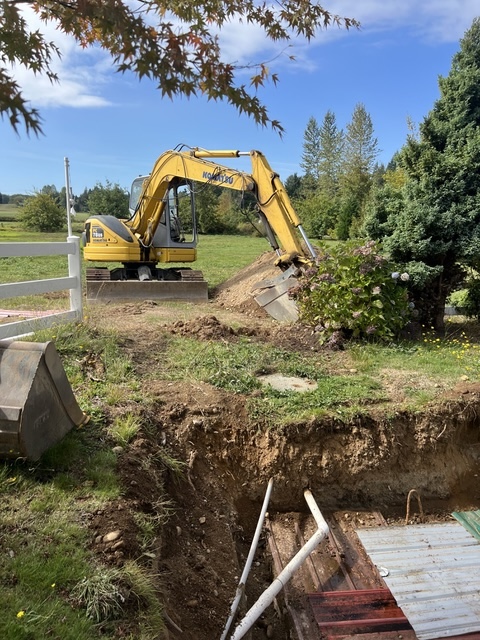
Can Snohomish County Homeowners Get Rebates for Septic Maintenance?
Yes. This is one of the resources I especially want homeowners to know about.
Snohomish County’s Savvy Septic program offers rebates for qualifying maintenance on existing residential septic systems. According to the county’s program information, eligible homeowners may receive:
- Full septic system inspection: $100
- Septic tank pumping: $100
- Riser installation with lid: $50 per riser, up to two
- Certain minor repairs: up to $200
Depending on the work completed, the county advertises up to $500 in combined rebates.
The program isn’t limited to people selling their homes. It’s available for qualifying maintenance on existing residential systems, and eligible work performed in connection with a property sale may also qualify.
Homeowners must complete the county’s free online Septic Care Workshop, use properly certified contractors, and meet the other program requirements. For inspections and pumping, the contractor must upload the appropriate report to the county’s OnlineRME database. You’ll also need proof of payment.
Qualifying work completed within the previous 12 months may still be eligible for a rebate. Funding is available on a first-come, first-served basis, so check current requirements rather than assuming reimbursement is guaranteed.
Savvy Septic rebates: https://www.snohd.org/714/Rebates
What Should Buyers Review Before Purchasing a Home With Septic?
If you’re buying a home with a septic system, don’t stop at confirming that an inspection was completed. Take some time to understand the system and how it affects the property.
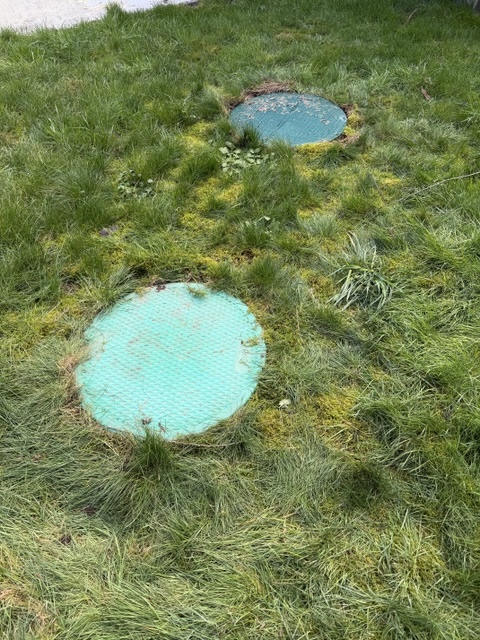
One of the first documents I recommend reviewing is the septic as-built. This drawing can help you identify where the septic tank, drainfield, and other components are located. Depending on the system, it may also show a reserve area intended for a future replacement drainfield.
That information can be especially important if you’re buying acreage and have plans to build a shop, add a barn, expand parking, or make other improvements. You don’t want to discover after purchasing that the area you intended to use contains the drainfield or needs to remain available for the septic system.
Older drawings may not precisely reflect current field conditions, so questions about the actual location of components should be verified with an appropriate professional.
Check the Septic System’s Approved Bedroom Capacity
I also recommend reviewing the approved septic application and design records, which may identify the type of system, tank size, and number of bedrooms it was approved to serve.
I’ve seen homes marketed with four bedrooms when the septic system was approved for three. That’s something I want buyers to understand before purchasing, because the number of bedrooms used in septic design relates to the amount of wastewater the system is expected to handle.
Washington State’s current septic design rules use an assumed wastewater flow based on bedroom count, including an assumption of two people per bedroom. That assumption is used to calculate system capacity; it is not a rule limiting how many people may legally occupy a bedroom.
If the home’s advertised bedroom count differs from the approved septic capacity, the next step is to clarify the discrepancy with the local health department. It doesn’t automatically mean the septic system must be replaced, but it is information buyers should have before deciding how to proceed.
What About Septic Systems in Older Homes?
Many older homes have septic systems that were installed and approved under the regulations in effect at the time. Just because today’s requirements are different doesn’t automatically mean an older system needs to be replaced or upgraded.
I wouldn’t want a buyer to overlook a home simply because the tank is smaller than what might be required for a newly designed system today. I also wouldn’t want a seller to assume that a properly functioning, previously approved system must automatically be brought up to current new-construction standards.
The better approach is to review the original approval, the current inspection, and the available maintenance records. If there are questions about the approved bedroom capacity, the condition of the system, or plans to expand the home, those questions should be addressed with the local health department and an appropriate septic professional.
Repairs, system failures, or proposed expansions may involve additional requirements, but an older system should not be judged by tank size alone.
Review the Inspection Findings and Maintenance History
The inspection report and maintenance records can tell you about the system’s condition and any work that may be needed. Pay attention to deficiencies, recommended repairs, pumping history, and whether any ongoing monitoring or maintenance is required.
A completed property transfer report is useful documentation, but it shouldn’t be mistaken for a guarantee that the system will never have problems.
These are practical details that can affect how you use and maintain the property long after closing.
Does This Apply to Homes in Stanwood and Arlington?
These requirements apply to qualifying properties with septic systems in Snohomish County, including properties in the Snohomish County portions of Stanwood and Arlington.
Not every property in these communities uses septic. Some homes are connected to public sewer, and properties in nearby counties may be subject to different local procedures.
This is particularly relevant in our area because many rural properties have a combination of features to understand, including septic systems, private wells, acreage, outbuildings, and areas reserved for future improvements.
Before assuming which rules apply, confirm the property’s county, wastewater service, and available septic records.
Where to Find the Official Information
- Property transfer requirements: https://www.snohd.org/1872/Property-Transfer
- Savvy Septic rebates: https://www.snohd.org/714/Rebates
- As-built records: https://www.snohd.org/159/As-Built-Records
- Washington septic design rules: https://app.leg.wa.gov/wac/default.aspx?cite=246-272A-0230
If you’re planning to sell, knowing what records you have and what the county requires can help you prepare. If you’re buying, taking the time to understand the septic system can help you make a more informed decision about the property and your future plans for it.
About the Author
Tricia Jacobs is a Managing Broker and REALTOR® with RE/MAX Gateway, serving Stanwood, Camano Island, and communities throughout Snohomish, Skagit, Island, and Whatcom Counties.
Tricia grew up in Bellingham, Washington, and moved to Stanwood in 2001, giving her deep roots in Northwest Washington. With a real estate career dating back to the 1990s, she brings extensive experience in residential real estate, including rural properties, acreage, waterfront considerations, and multigenerational homes.
She holds the ABR® and SRS® designations, is a RE/MAX Hall of Fame inductee, and was voted Best Real Estate Agent in Stanwood & Camano Island in both 2025 and 2026.
Tricia believes in giving buyers and sellers straightforward information and explaining their options, so they can make informed decisions based on their own goals.