
“We bought our place in June. It was gorgeous. Now it’s November and the paddocks are a mud pit and we don’t know what to do.”
I’ve heard some version of that from buyers and sellers more times than I can count, and it’s not really their fault. A lot of buyers have the timing backwards.
The Pacific Northwest is beautiful at the end of spring and the start of summer. The pastures are green, the ground is dry, and it stays light until almost 10 at night. That’s when most people want to go look at property. But your horses won’t just be living there in June. They’ll be there in October and January and every wet month in between.
So I tell every buyer I work with the same thing. The best time to look at horse property, acreage, or an equestrian setup in northwest Washington is fall and winter. That’s my opinion after a lot of years walking farms in every kind of weather, and I have horses myself, so I’ve lived it.
Isn’t Fall and Winter a Bad Time to Buy Horse Property?
No, I think it’s the best time. In the summer you’re seeing a property dressed up. In the wet months you’re seeing what it’s really like to keep horses there day to day.
1. Is the Property Going to Turn Into a Mud Pit?
You want to see a farm at its worst before you own it. Walk it after a few days of rain. Is there standing water at the gate, in the paddocks, around the barn? Where does the water go? Is there mud everywhere the horses walk?
Horses need a dry place to stand. If the property doesn’t have a barn, this matters even more, because the ground itself has to give them somewhere dry and you need to know whether it can.
I’ve talked with owners who bought in the beautiful months, had no idea what their place would look like once it got wet, and spent their whole first winter fighting mud. That’s a hard way to find out, and it’s avoidable if you look at the right time of year.
2. Isn’t It Better to See a Farm When Everything Is Green?
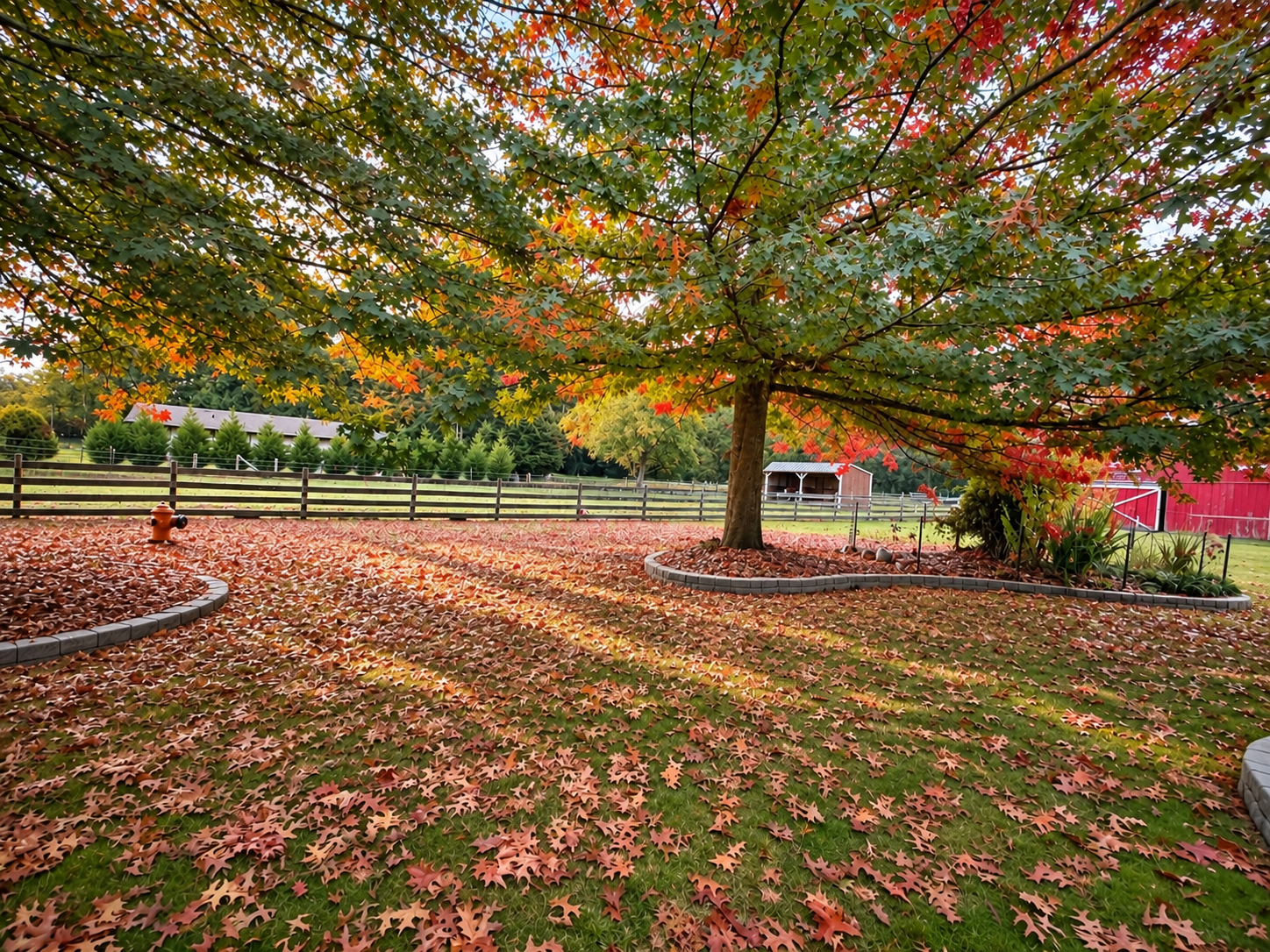
It’s definitely more fun. Properties look their best from late spring into early summer, when the grass is up and every pasture looks perfect in the listing photos. That’s also when it’s hardest to tell what you’re actually buying, because a field that looks great in June might be sitting under water by January.
3. How Do I Find Out If There Are Wetlands on the Property?
The wet season is when soggy areas show up, and once you see them, it’s worth pulling up the county wetland and critical area maps.
This one surprises people. In the last couple of years I’ve had more than one seller who didn’t know their land had documented wetlands and critical areas. Those can affect where you’re allowed to build a barn, put in an arena, or add fencing. If you’re planning any of that, you want to know before you’re emotionally attached to the place.
4. Will I Have Less Competition Buying in Fall and Winter?
Often, yes. Fewer buyers are out this time of year, and less competition can mean more room to negotiate on price, terms, or repairs. Every property and every seller is different, but the off-season can give you some breathing room you won’t always get in the spring rush.
5. Are Sellers More Motivated in the Off-Season?
They often are. Someone who lists a horse property in November or December usually has a reason, whether it’s a job change, a move, a family situation, or a farm that’s turned into more work than they want. That doesn’t mean they’ll take any offer, but there’s often more to talk about.
6. Can I Get a Horse Trailer In and Out When the Ground Is Soft?
Drive the driveway while it’s wet, and if you can, pull a trailer in. Can you turn around without cutting across the lawn? Does the gravel hold up or do you sink? Is there somewhere to park a rig that won’t be a rut by February? Your vet, your farrier, and the hay delivery all need to get in too. A driveway that works fine in August can be a real problem in the rain.
7. If I Buy in the Winter, Can I Be Riding by Spring?
That’s the idea. Close over the winter, get your horses home, and get settled. By the time the days get longer and the footing dries out, you could be riding on your own place instead of still touring properties.
What Should I Check When It Freezes?
Water. See how the troughs, frost-free hydrants, and well hold up in the cold. Nobody wants to be hauling buckets in January, and it’s a lot easier to plan for a frozen hydrant or a struggling well when you know about it before you move in.
Are You Selling a Horse Property, Too?
If you’re on the other side of this, my seller guide walks through what to do first: What Should I Do Before Selling My Horse Property in Washington?
Ready to Look at Horse Property This Fall and Winter?
Anyone can love a farm in June. I want you to love it in January.
Thinking about acreage or horse property in Snohomish, Skagit, Whatcom, or Island County? Reach out. I’m always happy to talk land.
About the Author
Tricia Jacobs is a Managing Broker and REALTOR® with RE/MAX Gateway, serving Stanwood, Camano Island, and communities throughout Snohomish, Skagit, Island, and Whatcom Counties.
Tricia grew up in Bellingham, Washington, and moved to Stanwood in 2001, giving her deep roots in Northwest Washington. With a real estate career dating back to the 1990s, she brings extensive experience in residential real estate, including rural properties, acreage, waterfront considerations, and multigenerational homes.
She holds the ABR® and SRS® designations, is a RE/MAX Hall of Fame inductee, and was voted Best Real Estate Agent in Stanwood & Camano Island in both 2025 and 2026.
Tricia believes in giving buyers and sellers straightforward information and explaining their options, so they can make informed decisions based on their own goals.