
Builder incentives can make new construction appealing, especially when they help with closing costs or mortgage financing. But there’s one thing those incentives can’t change: the size of the property.
I’m seeing buyers in the Stanwood area pay close attention to outdoor space when comparing new construction with established homes. They aren’t just looking at the square footage inside. They’re considering how they’ll use the entire property and whether it will continue to meet their needs in the years ahead.
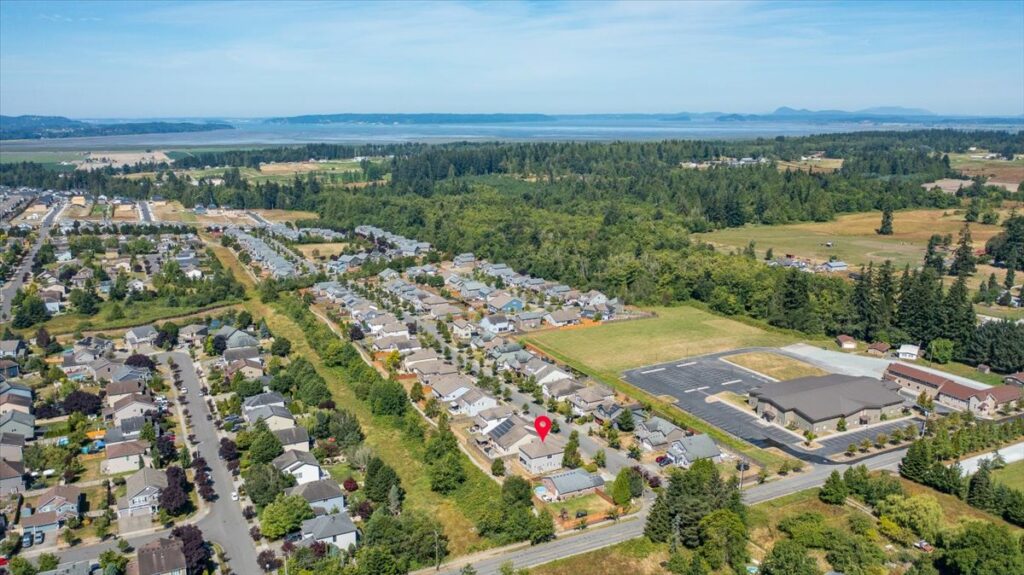
A recent sale in Stanwood’s Copper Station neighborhood is a good example.
Why Would a Buyer Pick an Older Home Over a Brand-New One?
I represented the seller of an established home in Copper Station. During the transaction, I had several conversations with the buyer’s agent and learned that the buyers had also considered a nearby new-construction home in the Cedarhome area.
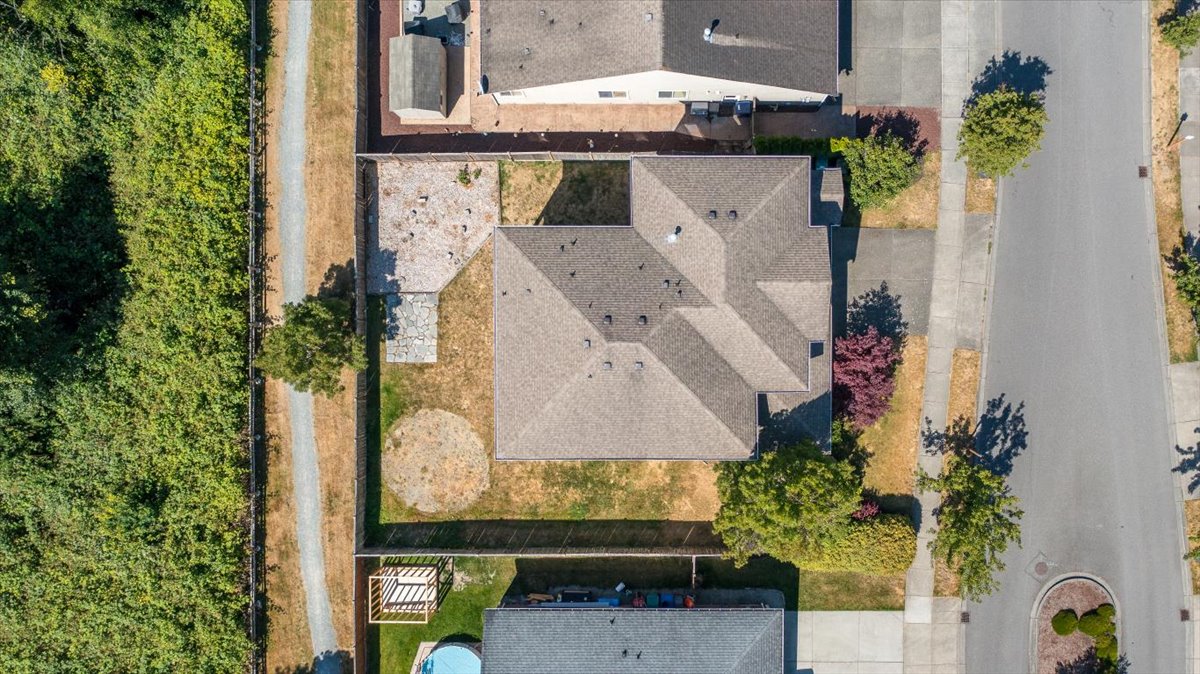
The new home sat on a 5,002-square-foot lot. The Copper Station property had a 6,970-square-foot lot, nearly 2,000 additional square feet of land.
The larger yard was the deciding factor.
These buyers enjoyed spending time outdoors and wanted a property that would accommodate that lifestyle. The Copper Station home offered more room for outdoor activities and entertaining, along with a greenbelt behind the property that provided additional separation from neighboring homes.
That combination mattered more to them than purchasing a brand-new home.
Is a Bigger Lot Always More Usable?
When buyers compare properties, I encourage them to look at how the house sits on the lot, not just the total square footage.
A home can have an attractive floor plan and beautiful finishes but occupy so much of the property that very little usable outdoor space remains.
A larger lot may provide room for landscaping, outdoor entertaining, games, gardening, or simply enjoying some separation from neighboring homes. It can also contribute to curb appeal, with space for trees, plantings, and a more inviting approach to the home.
There’s something to be said for having room to breathe.
That doesn’t mean every larger lot is more functional. Slopes, drainage, easements, setbacks, and the placement of the home can all affect what a homeowner can actually do with the property.
I’ve seen properties where the lot size looks generous on paper, but much of the land isn’t practical for the buyer’s intended use.
That’s why walking the property and understanding its limitations is just as important as reviewing the listing details.
Why Are New Construction Lots So Small?
Smaller lots are part of a broader housing trend, not something unique to Stanwood.
According to the National Association of Home Builders, 64% of newly built single-family detached homes sold nationwide in 2025 were on lots smaller than 9,000 square feet, compared with 46% in 1999.
Land costs, infrastructure expenses, development regulations, and housing affordability can all influence how builders design their communities.
Smaller lots also serve a legitimate buyer preference.
Not everyone wants to spend weekends mowing lawns, maintaining landscaping, or taking care of a large yard. For buyers who prefer lower-maintenance outdoor space, a newer home on a smaller lot may be exactly what they’re looking for.
Some developments also provide neighborhood parks, walking trails, and shared open spaces. Those amenities can be attractive alternatives to maintaining a larger private yard.
But for buyers who enjoy outdoor entertaining, have pets that need space, or want more privacy, a smaller lot may be a compromise they’re unwilling to make.
Should Builder Incentives Decide Which Home I Buy?
Builder incentives can be valuable. Depending on the community and current offerings, they may include closing cost assistance, mortgage rate buydowns, or other financial benefits.
I encourage buyers to understand those incentives and compare the actual financing terms rather than focusing solely on the advertised offer.
But I also encourage them to consider the property itself.
Real estate is generally a long-term purchase. Your needs today may look different five or ten years from now.
The stage of life you’re in can influence how much outdoor space you need. A buyer who travels frequently and prefers minimal yard maintenance may have very different priorities from someone who enjoys hosting gatherings, gardening, or spending time outside with family and pets.
It’s also worth considering whether you’ll have room for the activities you may want to enjoy in the future.
You can update finishes, change landscaping, or make certain improvements over time. Adding more land to an existing residential lot usually isn’t an option.
A builder incentive may improve the financial terms of your purchase, but it shouldn’t be the only factor in choosing a property.
Is New Construction or Resale the Better Value in Stanwood?
Stanwood offers buyers a variety of housing options, from newer developments to established neighborhoods and properties with larger lots.
Some resale homes offer mature landscaping, existing fencing, outdoor improvements, and more separation between homes. Others may require updates or maintenance that a new-construction buyer wouldn’t face immediately.
New construction may offer modern layouts, energy-efficient features, new systems, and builder warranties. Those advantages can be significant, particularly for buyers who want fewer immediate maintenance concerns.
Neither type of home automatically offers better value.
What matters is understanding the property you’re purchasing, including its condition, location, lot configuration, ongoing expenses, and how well it fits your plans.
The Copper Station sale was a reminder of something I see regularly in real estate: buyers are looking beyond the initial purchase and considering how they’ll actually live in the home.
For these buyers, having outdoor space to enjoy and a greenbelt behind the property made the established home a better fit.
If you’re comparing new construction with resale homes in Stanwood or the surrounding communities, take the time to evaluate the entire property. The house matters, but so does everything around it.
About the Author
Tricia Jacobs is a Managing Broker and REALTOR® with RE/MAX Gateway, serving Stanwood, Camano Island, and communities throughout Snohomish, Skagit, Island, and Whatcom Counties.
Tricia grew up in Bellingham, Washington, and moved to Stanwood in 2001, giving her deep roots in Northwest Washington. With a real estate career dating back to the 1990s, she brings extensive experience in residential real estate, including rural properties, acreage, waterfront considerations, and multigenerational homes.
She holds the ABR® and SRS® designations, is a RE/MAX Hall of Fame inductee, and was voted Best Real Estate Agent in Stanwood & Camano Island in both 2025 and 2026.
Tricia believes in giving buyers and sellers straightforward information and explaining their options, so they can make informed decisions based on their own goals.